Quick answer: Most DC businesses should review their locks after a break-in or attempted break-in, when an employee leaves without returning a key, when you can’t account for every copy of your keys, or when anyone can copy your keys at a hardware store. Often the fix is rekeying, not new locks. A master key system with restricted cylinders can also reduce rekeying and unauthorized copies over time.
If you own or manage a business in Washington, DC, your locks control who can reach cash, inventory, client records, and staff areas. Yet commercial locks are often the last thing on the to-do list until something goes wrong: a break-in, a former employee who never returned a key, or a lease or insurance review that asks about your hardware.
Below is a practical breakdown of when an upgrade makes sense, what your options are, and what drives the cost.
Signs Your Commercial Locks Need Attention
You’ve had turnover and never rekeyed. Every former employee, contractor, or vendor who kept a key can still open your door if the locks haven’t changed. Rekeying makes those keys stop working without replacing the locks.
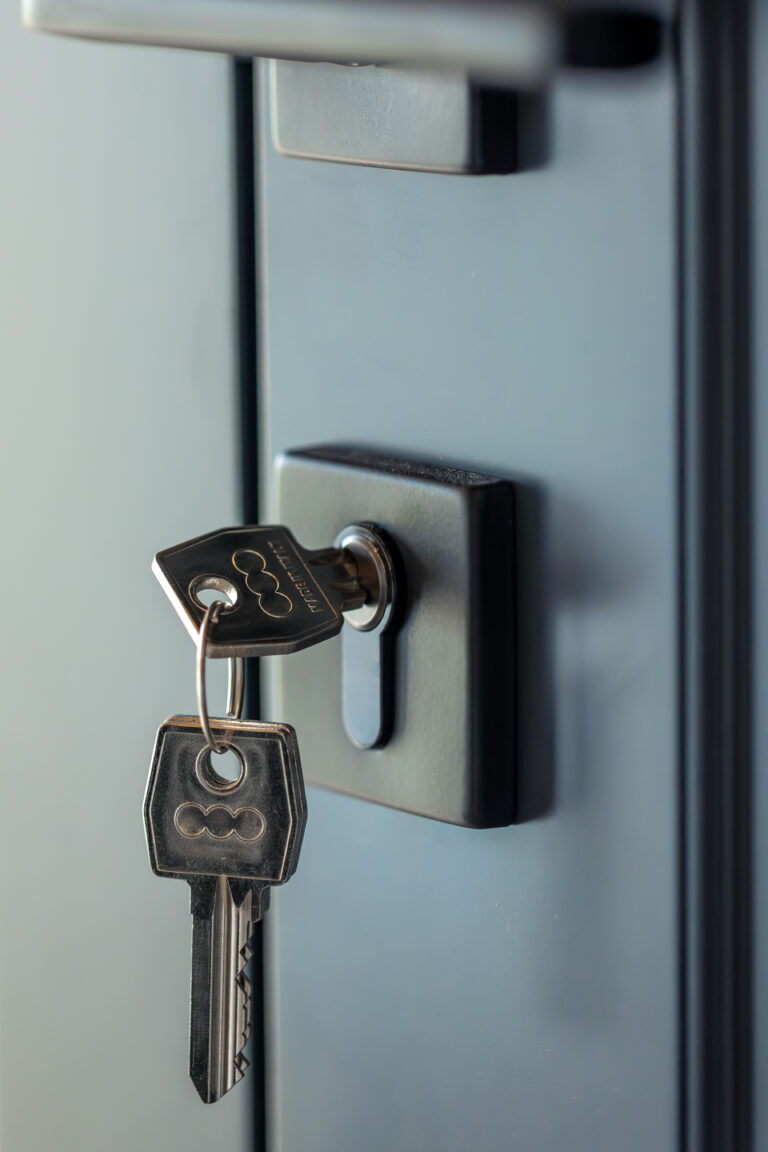
Your keys say “Do Not Duplicate.” The stamp is a request, not a mechanism. A standard key with that stamp can often still be copied. If key control matters, restricted or patented keyways use blanks that aren’t sold at hardware stores, with copies tied to authorization rules for your system. How copies are authorized depends on the specific product.
You’re managing multiple doors with different keys. Many older DC commercial buildings, including converted rowhouses near Capitol Hill or U Street, have a mix of locks installed by different landlords and tenants over the years. A master key system organizes that into levels: a master key for you or managers, and limited keys for staff.
Your lease or insurance policy sets requirements. Some commercial leases and insurance policies specify minimum lock grades. ANSI/BHMA Grade 1 is the highest grade for durability and strength, and Grade 2 is common for lighter commercial use. Check your policy and lease language before assuming your current hardware qualifies.
You’ve had an attempted break-in, even an unsuccessful one. A pried door, damaged strike plate, or tampered lock shows where your hardware is vulnerable. Have the lock, strike, and frame checked together, since a stronger lock on a damaged frame doesn’t add much protection.
What “Upgrading” Actually Means
An upgrade rarely means replacing every lock on the property. Depending on what an assessment finds, it can mean:
- Rekeying existing hardware to make old keys stop working. It’s the fastest and least expensive option when the hardware is in good condition.
- Installing a master key system so managers hold broader keys while staff keys open only their areas.
- Upgrading to high-security cylinders with restricted keyways and pick- and drill-resistant designs, useful for cash-handling businesses, medical offices, and anywhere records are stored.
- Adding keypad or card access on busy doors, so access can be changed without rekeying. Some systems also record who entered and when.
- Replacing damaged or outdated hardware, such as commercial deadbolts and exit devices, when it’s worn out or doesn’t suit the door.
What Affects the Cost
Pricing depends on the number of doors, the hardware grade, and whether the job is a rekey, a master key design, or new hardware. As a general guide:
- Rekeying usually costs less than replacing locks, because the existing hardware stays in place.
- Master key systems cost more upfront because of the design work, but losing a low-level key doesn’t require rekeying the whole building.
- High-security cylinders cost more per lock, but restricted keys are much harder to copy, so key control lasts longer between rekeys.
We give you a clear estimate before any work starts. Call with your door count and situation, and we can usually give you a ballpark over the phone.
Frequently Asked Questions
How often should a DC business rekey its locks?
There’s no fixed schedule; it’s event-driven. Rekey when someone leaves with a key, after any break-in or attempt, and whenever you aren’t sure where every key is. Businesses with high turnover may choose to rekey on a regular schedule.
Can you install a master key system without replacing all our current locks?
Often, yes. If your existing locks can accept master-keyed cylinders and are in good condition, we can rekey them into a system. We’ll tell you upfront which locks, if any, need replacing.
Do you work with property managers on multi-tenant buildings?
Yes. We set up master key systems that keep tenant keys separate while giving management access to common areas.
Can commercial locks be replaced the same day?
Sometimes. It depends on the hardware needed, parts availability, and the scope of the job. Call with details and we’ll tell you what’s realistic.
What lock grade should a DC business use?
It depends on the door and its traffic. Grade 1 hardware is built for heavy use and is a common choice for main entrances, while Grade 2 suits lighter commercial doors. Your lease or insurer may also set a minimum. We can recommend hardware for your specific doors.
DC Locks & Doors handles commercial lock upgrades for offices, retail stores, and multi-tenant properties throughout Washington, DC, including master key systems, high-security cylinders, rekeying, access control, and commercial lock repair and replacement. See our commercial locksmith services or call (202) 919-5727. Open daily, 7 AM–11 PM.